Trezor.io/start – The Complete Guide to Setting Up Your Trezor Wallet
In the world of cryptocurrency, securing your assets is just as important as acquiring them. Unlike traditional financial systems, cryptocurrencies give you full control over your funds—but with great control comes great responsibility. That’s where Trezor comes in. As one of the most trusted hardware wallets on the market, Trezor ensures your private keys are stored securely offline.
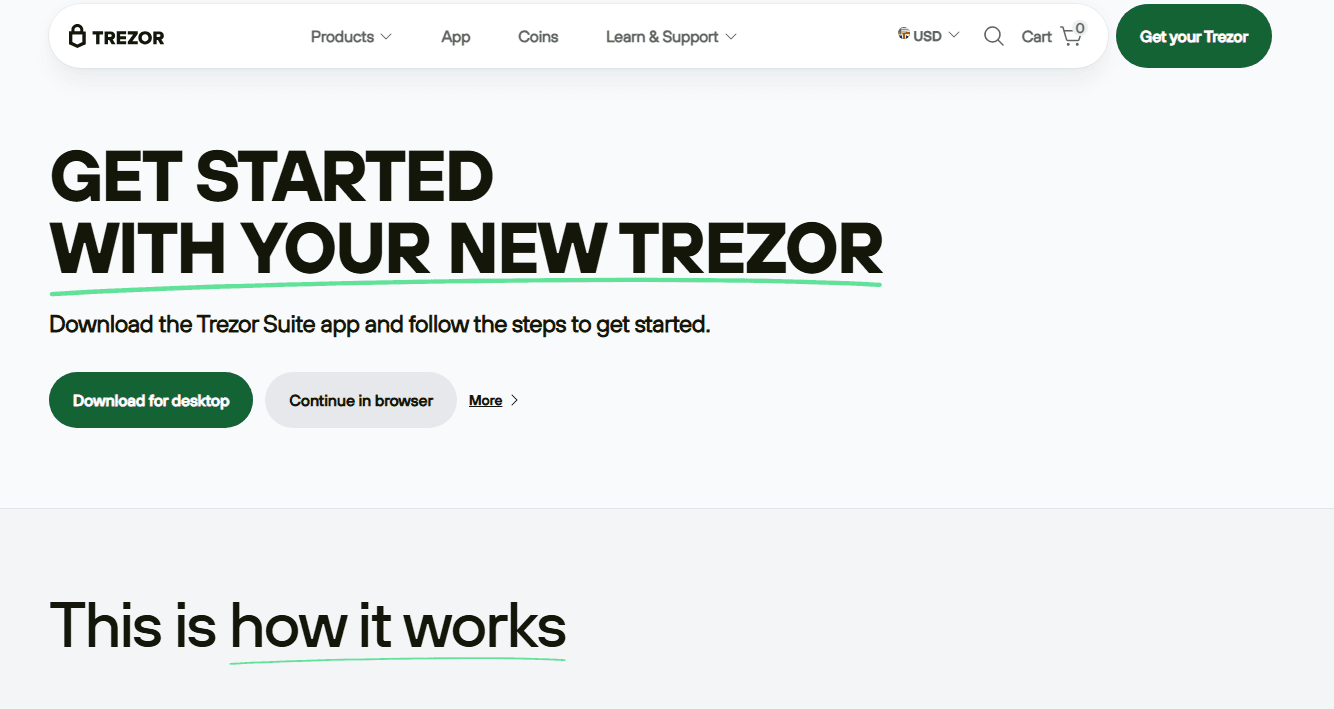
The official starting point for using your Trezor device is Trezor.io/start. This portal guides you through setup, wallet creation, recovery, and management, providing step-by-step instructions to get your hardware wallet up and running safely.
This comprehensive guide will cover everything from unboxing your Trezor, initializing your wallet, managing cryptocurrencies, using Trezor Suite, and following best security practices.
What is Trezor.io/start?
Trezor.io/start is the official starting page for new Trezor users. It serves as a central hub for:
Initializing your Trezor hardware wallet
Downloading the Trezor Suite software
Creating or restoring wallets
Accessing detailed tutorials and security recommendations
Updating firmware and managing device settings
In short, it’s your one-stop guide to safely setting up and managing your Trezor device.
Unboxing Your Trezor Device
Before heading to Trezor.io/start, it’s important to understand what comes in your Trezor package:
The Trezor Hardware Wallet – Either the Trezor One or the Trezor Model T, depending on your purchase.
USB Cable – For connecting the wallet to your computer.
Recovery Seed Card – Used to write down your 12–24 word recovery phrase.
Instructions and Security Labels – Helps ensure device authenticity.
Security Note: Always ensure the Trezor packaging is untampered. Never use a device that appears to have been tampered with, as this could compromise your funds.
Step 1: Access Trezor.io/start
Visit Trezor.io/start
The website automatically guides you to download the Trezor Suite, the official desktop or web application for managing your crypto assets.
Choose the version compatible with your operating system: Windows, macOS, or Linux.
Pro Tip: Avoid downloading Trezor Suite from third-party websites to prevent malware risks.
Step 2: Installing Trezor Suite
Trezor Suite is the software interface that connects your hardware wallet to the blockchain.
Desktop Installation: After downloading, run the installer and follow the instructions.
Web Interface: Some users prefer the browser-based version for flexibility.
Once installed, open Trezor Suite and connect your device using the USB cable provided. The software will automatically detect your Trezor device.
Step 3: Setting Up Your Trezor Wallet
When connecting your device for the first time, you can either:
Create a New Wallet
Generate a new recovery seed (12–24 words)
Set up a secure PIN for your device
Optionally, add a passphrase for extra security
Recover an Existing Wallet
Enter the recovery seed from a previous device to restore access
This is useful if you’re upgrading or replacing a Trezor device
Important Security Reminder: Never enter your recovery seed on a computer or online. Trezor devices are designed to keep this information offline.
Step 4: Writing Down Your Recovery Seed
Your recovery seed is the most important part of your wallet. It’s a list of words that allows you to recover your funds if the device is lost, stolen, or damaged.
Use the provided recovery card to write down each word
Store it in a safe and separate location
Avoid taking photos or storing it digitally
Without the recovery seed, access to your cryptocurrency is permanently lost.
Step 5: Creating a PIN
The PIN adds an extra layer of security.
When prompted, select a four to six-digit PIN
Enter it on the device, not the computer
The Trezor device randomizes the number pad for every login to prevent malware from tracking your PIN
The PIN ensures that even if someone has physical access to your Trezor, they cannot use it without your code.
Step 6: Installing Firmware
Firmware updates ensure your device remains compatible with new cryptocurrencies and includes the latest security patches.
Trezor Suite will prompt you if a firmware update is available
Confirm the update on the device
Never skip updates, as outdated firmware can pose security risks
Step 7: Using Trezor Suite
Trezor Suite allows you to:
Send and Receive Cryptocurrency: Generate addresses, send funds, and verify transactions on the device.
Monitor Portfolio: Track balances and historical performance.
Manage Multiple Accounts: Add wallets for different cryptocurrencies and manage multiple addresses.
Access Coin Applications: Install blockchain apps for supported cryptocurrencies.
All sensitive operations, such as signing transactions, occur on the Trezor device itself, ensuring that private keys remain offline.
Step 8: Security Features
Trezor.io/start emphasizes the importance of security. Trezor devices and Suite provide:
Offline Key Storage: Private keys never leave the device.
Transaction Verification: Physical confirmation required for all transactions.
Optional Passphrase: Adds a second layer of protection.
Device Authenticity Checks: Ensures the hardware is genuine.
Following these measures helps prevent hacks, malware, and phishing attacks.
Step 9: Recovering a Wallet
If your device is lost or damaged:
Purchase a new Trezor device.
Open Trezor Suite.
Select Recover Wallet and input your recovery seed.
Your accounts, balances, and transaction history will be restored.
Recovery seeds are crucial, so make sure they are stored securely.
Step 10: Managing Multiple Cryptocurrencies
Trezor Suite supports thousands of coins and tokens, including:
Bitcoin (BTC)
Ethereum (ETH)
Cardano (ADA)
Solana (SOL)
ERC-20 tokens and more